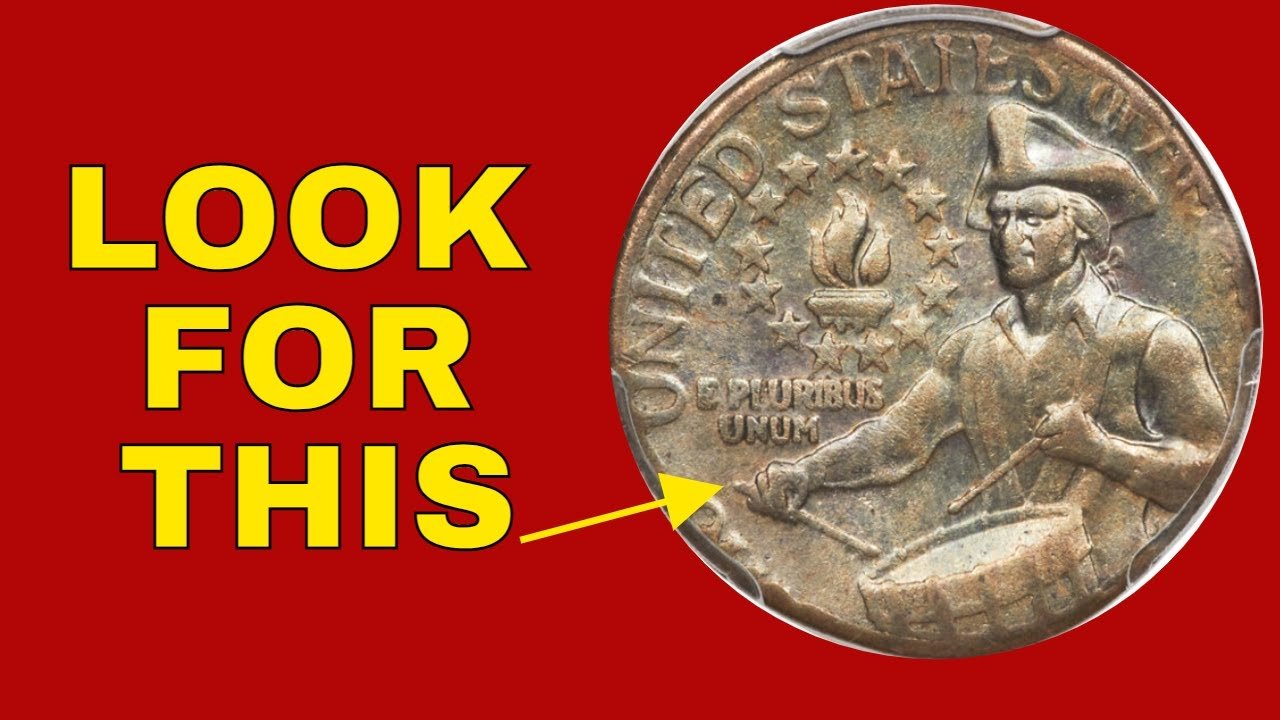
The 1976 Bicentennial Quarter is one of the most recognizable coins in American history — minted to celebrate 200 years of U.S. independence. With its special dual date (1776–1976) and colonial drummer design, it became a national symbol of pride and commemoration.
But in recent years, online rumors have circulated claiming that a rare Bicentennial Quarter worth $2.5 billion might still be out there in pocket change. While no quarter has ever sold for billions, the story draws attention to the fact that some rare varieties and mint errors from the Bicentennial series can be worth serious money — sometimes thousands of dollars. Let’s separate fact from fiction and explore why this coin remains so fascinating to collectors.
The Truth Behind the “$2.5 Billion” Claim
No Bicentennial Quarter has ever been verified or sold for billions of dollars. The claim is fictional, but it highlights the collector excitement around certain rare versions of the coin.
The confusion likely stems from ultra-rare minting errors and special collector strikes that have fetched impressive prices at auctions. Some of these coins are made from silver, struck with proof finishes, or include minting mistakes that make them exceptionally valuable.
So, while you won’t find a $2.5 billion quarter, there are still Bicentennial Quarters worth real money — especially in pristine or error condition.
What Makes a Bicentennial Quarter Valuable
Several factors can make a 1976 Bicentennial Quarter worth far more than its face value:
-
Composition – Most were made of copper-nickel, but some 40% silver quarters were struck for collector sets and are more valuable.
-
Mint Marks – Quarters from the San Francisco Mint (S or proof) are more sought-after, particularly those in silver.
-
Condition – Coins in uncirculated or proof condition command premium prices.
-
Errors – Misprints, double strikes, or off-center designs can multiply a coin’s worth many times over.
Notable Bicentennial Quarter Varieties
1. 1976-S Silver Proof Quarter
-
Struck in 40% silver for collector sets.
-
Estimated value: $10 – $300, depending on condition.
-
Deep Cameo or perfect-grade examples can sell for $500+.
2. 1976-D Bicentennial Quarter (Denver Mint)
-
Common in circulation, but high-grade examples (MS-68 or higher) can fetch $1,000–$3,000 at auctions.
3. 1976 Bicentennial Error Coins
-
Coins with off-center strikes, double dies, or missing elements have sold for $5,000–$25,000+, depending on rarity and visibility of the error.
4. Full Silver Collector Sets
-
Proof or uncirculated sets issued by the U.S. Mint containing silver Bicentennial coins (quarter, half dollar, and dollar) can bring $20–$100+, with premium examples reaching higher.
How to Check If You Have a Rare Bicentennial Quarter
Follow these steps to inspect your coins:
-
Look for the date: It should read 1776–1976.
-
Check the edge: Silver quarters have a solid silver edge, while clad quarters show copper color in the center.
-
Find the mint mark: Located to the right of Washington’s ponytail.
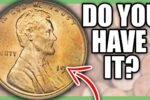
- “D” = Denver
- “S” = San Francisco (valuable if silver or proof)
- No mint mark = Philadelphia
-
Inspect for errors: Look for missing details, doubling, off-center strikes, or unusual finishes.
-
Use a magnifier: Subtle variations can be worth a lot more.
Why the Bicentennial Quarter Still Matters
The Bicentennial Quarter isn’t just currency — it’s a symbol of America’s 200th birthday, representing freedom, craftsmanship, and national pride. Over 1.6 billion were minted, making it one of the most widely produced commemorative coins in U.S. history.
Even though most are worth only 25 cents, collectors still treasure them for their historical value and beautiful design.
Expert Tip
If you think you’ve found a rare version, don’t rush to sell it. Have it graded and authenticated by a professional service such as PCGS or NGC. Certified coins can be worth significantly more to serious collectors.

Final Thoughts
No, there isn’t a Bicentennial Quarter worth $2.5 billion, but the myth serves as a reminder that hidden treasures can exist in everyday change.
Some rare Bicentennial Quarters — especially silver proofs or unique mint errors — can still bring thousands of dollars at auction. So before you spend that old 1976 quarter, take a closer look. It might not make you a billionaire, but it could still be a valuable piece of American history.
