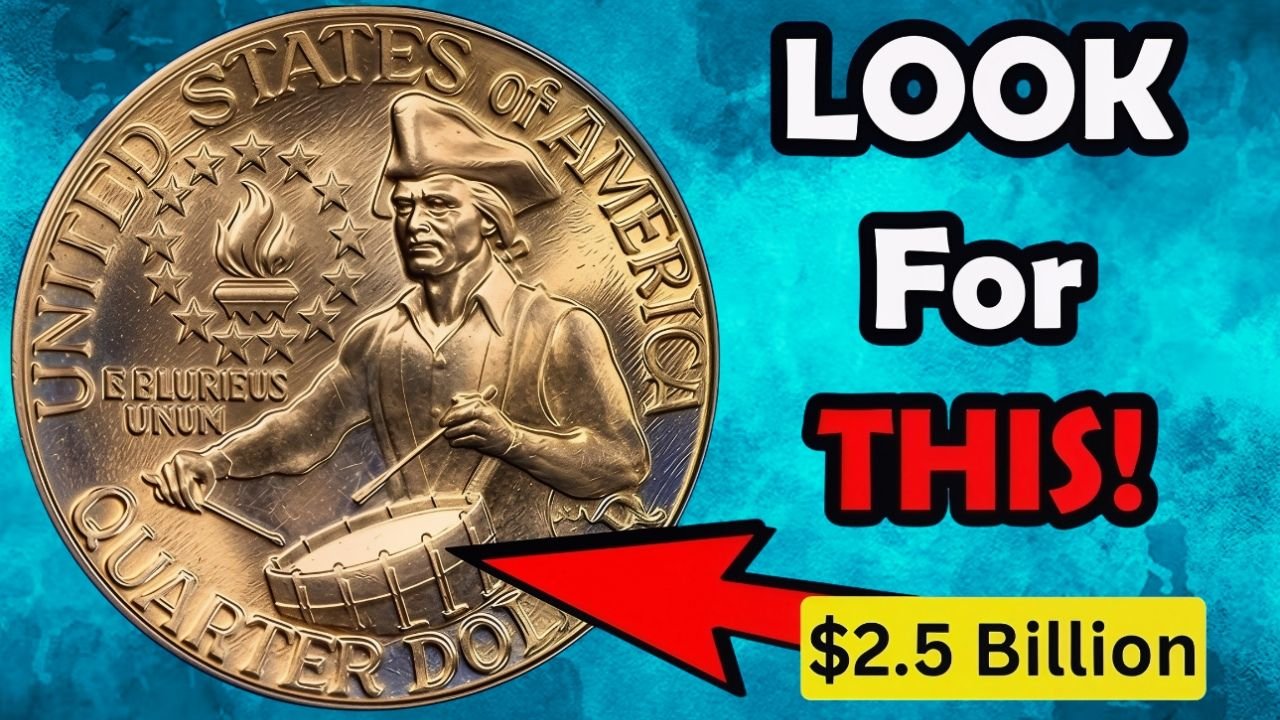
In 1976, the U.S. Mint released special quarters to celebrate the 200th anniversary of American independence. These coins, dated 1776–1976, featured a unique design with a colonial drummer on the reverse and were produced in massive numbers — more than 1.6 billion in total.
While most Bicentennial quarters are still worth only face value (25¢), some rare varieties and special issues have become highly collectible and can fetch hundreds or even thousands of dollars today.
US $4,983 Direct Deposit in November 2025 – “For Everyone”? Check Eligibility & Payment Date
What Makes a Bicentennial Quarter Valuable
A Bicentennial quarter’s value depends on several key factors:
-
Mint mark and location — Coins from the San Francisco Mint (marked with “S”) can be silver or proof.
-
Metal composition — Most are copper-nickel, but some 40% silver versions were struck for collectors.
-
Condition — Uncirculated or proof coins in pristine shape are far more valuable.
-
Minting errors — Off-center strikes, double dies, and other mistakes can raise value significantly.
$1,702 Stimulus Payment For Everyone – Complete Payment Schedule for Seniors in November 2025
The Most Valuable 1976 Bicentennial Quarters
1. 1976-S Silver Proof Bicentennial Quarter
-
Composition: 40% silver
-
Minted in San Francisco for collectors
-
Value range: $10–$20 in typical proof condition, up to $200+ for perfect-grade examples
2. 1976-S Silver Uncirculated Quarter
-
Also 40% silver, but with a matte finish instead of a mirror proof surface
-
Value range: $8–$15, with higher prices for coins graded MS67 or above
3. 1976-D Double Die Obverse (DDO)
-
Features noticeable doubling on the date or the word “LIBERTY”
-
Hard to find, often still circulating
-
Value range: $100–$500, depending on condition and clarity of the error
4. 1976 No Mint Mark (Philadelphia) with Strong Strike
-
Although common, sharply struck coins with full details can attract collectors
-
In uncirculated condition, values reach $20–$40
5. 1976 Off-Center or Clipped Planchet Errors
-
Minting mistakes such as clipped edges or off-center designs are rare
-
Depending on the degree of the error, these coins can bring $50–$300+
How to Spot Valuable Bicentennial Quarters in Circulation
-
Check the edge — A silver coin will show a clean silver band, while clad coins reveal a copper stripe.
-
Look for mint marks — Found near Washington’s neck. “S” means San Francisco (potential silver or proof).
-
Inspect for errors — Use a magnifier to spot doubling, missing letters, or unusual shapes.
-
Preserve condition — Avoid cleaning; store in a soft holder if you find one in great shape.
Are They Still in Circulation?
Yes — millions of Bicentennial quarters remain in everyday use nearly 50 years later. Most are ordinary, but a few special examples continue to turn up in pocket change, coin rolls, and old collections.
Final Thoughts
The 1976 Bicentennial quarter is a beautiful piece of American history, and while most are worth just 25 cents, the rare ones — especially silver and error coins — can be worth hundreds or more.
So next time you get change, check your quarters carefully — you might just find a piece of history still circulating today.
1976 Bicentennial Quarter – Quick FAQ
Q1: What is a 1976 Bicentennial Quarter?
A: It’s a special U.S. quarter issued to celebrate the 200th anniversary of American independence. It features a drummer boy on the back and the dual date “1776–1976.”

Q2: Are Bicentennial quarters rare?
A: Most aren’t — billions were made. However, silver versions, proofs, and error coins can be valuable.
Q3: Which 1976 quarters are worth the most?
- 1976-S Silver Proof – up to $200+ in perfect condition
- 1976-D Double Die Error – $100–$500
- 1976 Off-Center or Clipped Errors – $50–$300+
Q4: How can I tell if my Bicentennial quarter is silver?
A: Check the edge — silver coins have a solid silver edge, while regular ones show a copper stripe.
Q5: Are Bicentennial quarters still in circulation?
A: Yes! Millions are still used today, and valuable ones occasionally turn up in pocket change.
