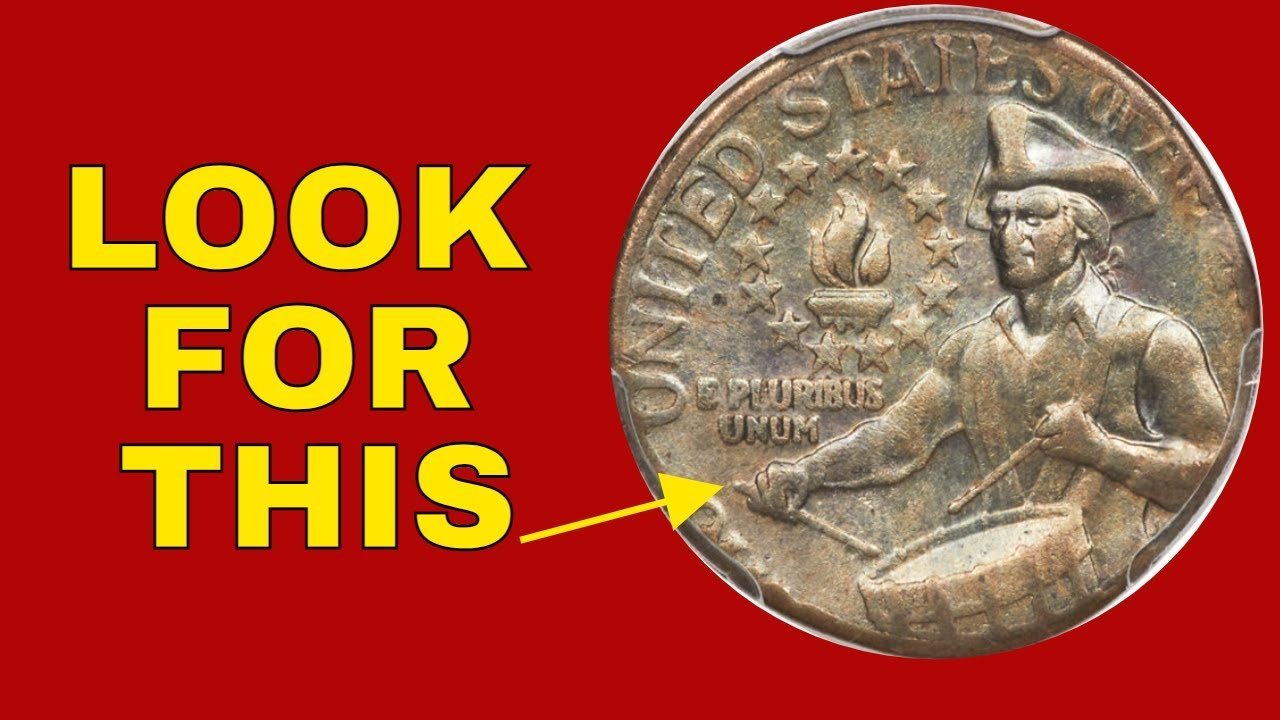
In the world of coin collecting, few stories spark as much excitement as the legend of the rare Bicentennial quarter — a coin rumored to be worth an astonishing $2.5 billion. While the number may sound unbelievable, this tale has fueled the imagination of collectors and everyday Americans alike, leading many to dig through their spare change hoping to strike it rich.
The History of the Bicentennial Quarter
In 1976, the United States Mint released a special series of coins — including the quarter, half dollar, and dollar — to celebrate the 200th anniversary of American independence. The quarter featured a unique reverse design by Jack L. Ahr, showcasing a colonial drummer and a torch surrounded by 13 stars, representing the original colonies.
Unlike standard quarters that bear a single year, the Bicentennial issue was dual-dated “1776–1976.” These coins were struck at the Philadelphia, Denver, and San Francisco mints and circulated widely.
Gas Station Clerk Finds $3.21 Million Kennedy Half Dollar in Change
The Myth of the $2.5 Billion Bicentennial Quarter
So, where does the jaw-dropping $2.5 billion value come from? The truth lies in a combination of myth, misinformation, and a touch of reality. No Bicentennial quarter has ever sold for that amount — however, a handful of extremely rare error coins from the series are indeed worth thousands, even tens of thousands, of dollars.
Collectors speculate that if a one-of-a-kind prototype or experimental coin — such as a solid gold test strike or a unique minting error — were to surface, its value could theoretically reach astronomical figures due to its rarity and historical significance.
What Makes Some Bicentennial Quarters Valuable
While most Bicentennial quarters are only worth face value, certain features can make them highly collectible:
-
Silver Composition:
- The 1976-S proof and uncirculated quarters minted in 40% silver can be worth $10–$50 depending on condition.
-
Error Coins:
- Off-center strikes, double dies, and wrong planchet errors can fetch $500–$5,000+ at auctions.
-
High-Grade Proofs:
- Coins graded PR70 Deep Cameo (perfect condition) by PCGS or NGC can command $1,000–$3,000.
-
Unique Mint Marks or Variations:
- Quarters from special mint sets or rare strike varieties can exceed $5,000 in collector markets.
Reality Check – Separating Fact from Fiction
While no Bicentennial quarter is truly worth billions, there’s no denying the coin’s cultural and collectible value. The 1976 design remains one of the most popular in U.S. coinage history, and rare versions continue to appreciate over time.
Experts advise collectors to get coins professionally appraised before assuming they’re worth a fortune. Reputable grading services like PCGS (Professional Coin Grading Service) or NGC (Numismatic Guaranty Company) can authenticate and determine true market value.
How to Check If You Have a Valuable Bicentennial Quarter
If you want to inspect your coins for potential value, here’s what to look for:
-
Date: Must read “1776–1976.”
-
Mint Mark: Look for a small “D,” “S,” or no mark near Washington’s ponytail.
-
Metal Content: Silver quarters weigh about 6.25 grams, while copper-nickel ones weigh 5.67 grams.
-
Condition: Coins with sharp detail, no wear, and mirror-like finish are most valuable.
-
Errors or Oddities: Check for misprints, doubling, or unusual edges — these can greatly increase value.
Where to Sell or Appraise Your Coin
If you think you’ve discovered a rare Bicentennial quarter:
-
Visit a certified coin dealer or local coin show.
-
Submit it to PCGS or NGC for grading.
-
Browse reputable auction platforms like Heritage Auctions or Stack’s Bowers to compare listings.
(FAQ) The Rare Bicentennial Quarter Valued at $2.5 Billion
Q1. Are Bicentennial quarters still in circulation?
Yes. Millions remain in circulation today, though silver or proof versions are typically kept by collectors.
Q2. How can I tell if my Bicentennial quarter is silver?
Weigh it — silver quarters are heavier (6.25g). The edge will also appear solid silver, unlike the copper-colored edges of standard coins.
Q3. Can a Bicentennial quarter really be worth billions?
No known coin has sold for that much. The $2.5 billion claim is a myth, though rare varieties can reach thousands of dollars in auctions.
Q4. Which Bicentennial quarter is the most valuable?
The 1976-S silver proof in perfect PR70 condition and certain minting error coins hold the highest real-world value — often $5,000+.
Q5. Should I clean my coin before appraisal?
Never. Cleaning can permanently damage the surface and reduce its value. Leave it as-is for professional evaluation.
Final Thoughts
While the idea of a $2.5 billion Bicentennial quarter is mostly legend, this iconic coin still holds a special place in U.S. history — and in collectors’ hearts. Whether it’s a rare silver proof, a minting error, or just a piece of Americana, the Bicentennial quarter reminds us that history can live in the palm of your hand.

So, before you spend that shiny 1976 quarter, take a second look — it might not make you a billionaire, but it could still be worth far more than twenty-five cents.
