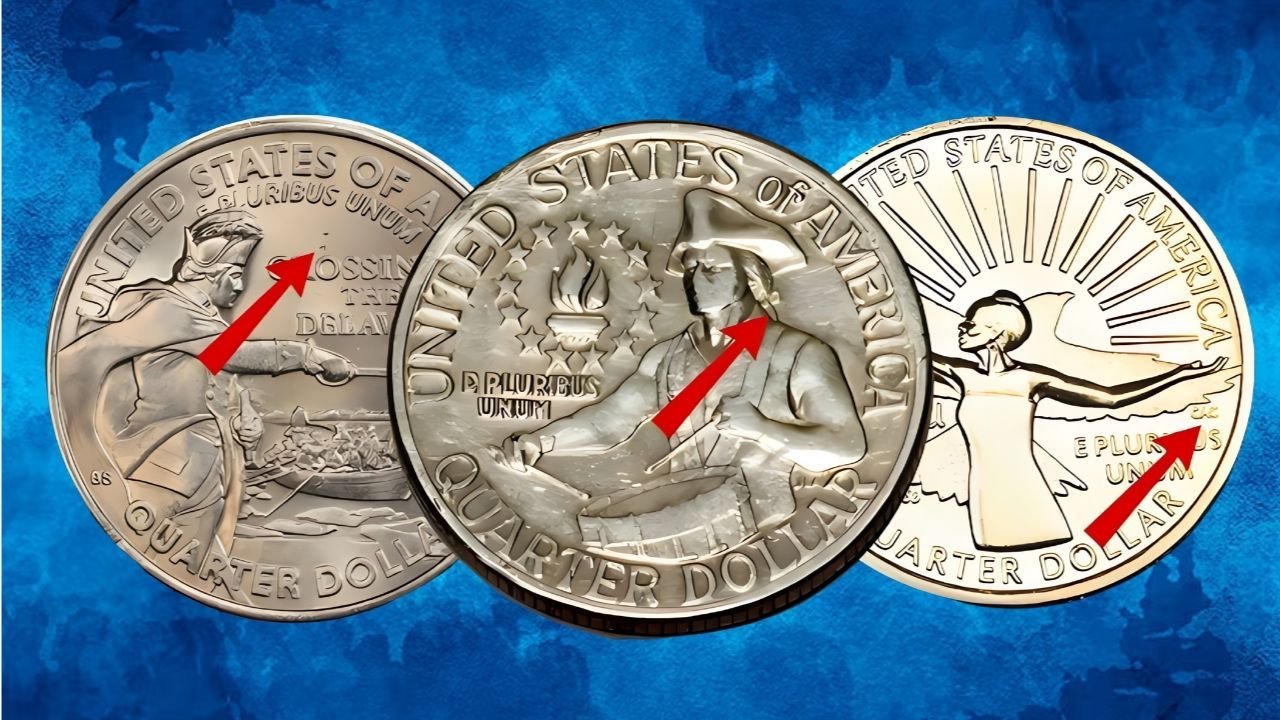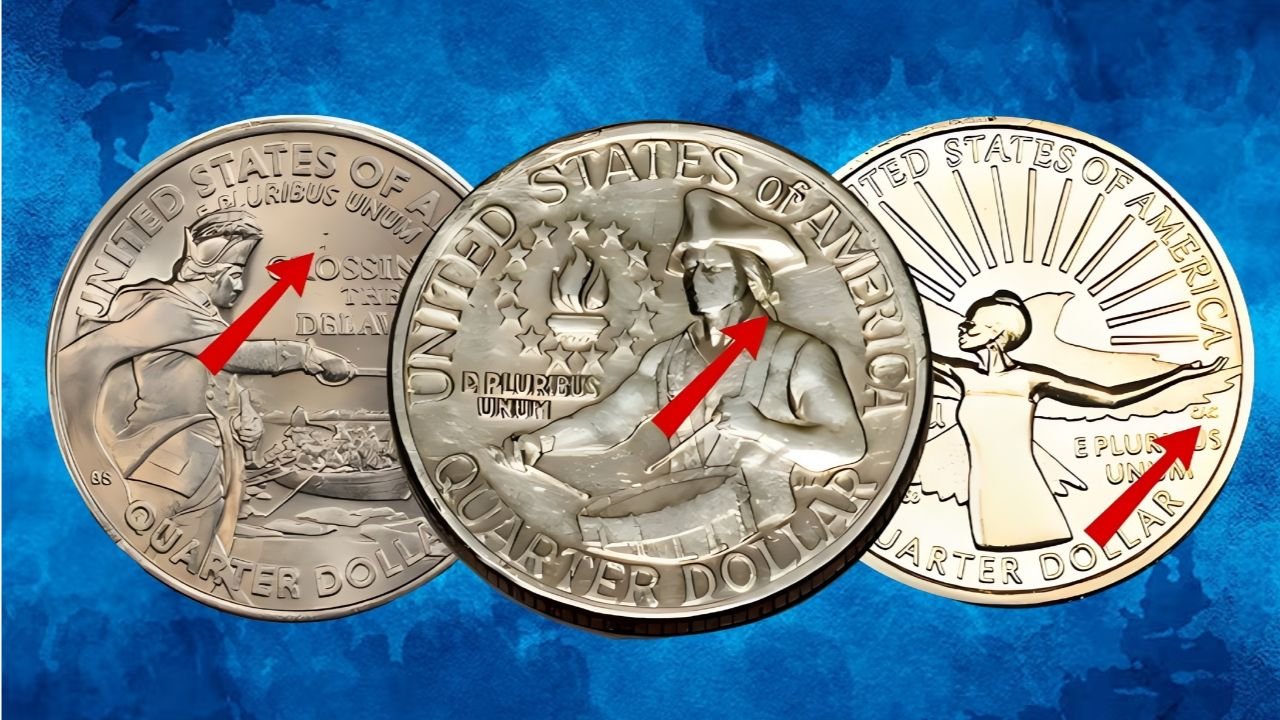
When the U.S. Mint launched the 50 State Quarters Program in 1999, it transformed everyday pocket change into a nationwide collecting craze. For more than a decade, from 1999 through 2008, Americans eagerly searched through coins to find each new design representing all 50 states.
Though the coins were worth only 25 cents in face value, certain State Quarters have since become valuable collector’s pieces — especially rare mint errors, low mintage issues, and coins preserved in pristine condition.
The 50 State Quarters Program: A Quick Background
Authorized by Congress in 1997, the program aimed to honor each U.S. state with a unique quarter design on the reverse side.
- Launch: January 1, 1999
- Duration: 1999–2008 (11 years)
- Mints Used: Philadelphia (P) and Denver (D)
- Designer: John Flanagan (obverse, adapted from the original 1932 design)
Each year, five new quarters were released in the order the states ratified the Constitution or joined the Union. The initiative became one of the most successful coin programs in U.S. history, drawing millions of new collectors.
Key Factors That Affect State Quarter Values
Over time, the value of State Quarters has shifted depending on:
-
Mintage numbers – Lower-minted coins are often more valuable.
-
Mint location – Philadelphia and Denver produced different quantities.
-
Condition (grade) – Uncirculated or proof coins hold premium value.
-
Error types – Double dies, off-center strikes, and missing layers increase rarity.
-
Metal composition – Silver proof editions are worth significantly more than standard copper-nickel coins.
Notable State Quarters and Their Current Value Range (2025 Estimates)
| State (Year) | Type | Estimated Value Range (Uncirculated) | Notes |
|---|---|---|---|
| Delaware (1999-P Spitting Horse) | Error | $10 – $250 | Die crack makes the horse appear to “spit.” |
| Pennsylvania (1999-D) | Regular | $1 – $3 | Early issue; slightly higher value in rolls. |
| Connecticut (1999) | Silver Proof | $15 – $25 | Known for the Charter Oak design. |
| Georgia (1999-P) | Error | $5 – $300 | Off-center strikes are prized. |
| Wisconsin (2004-D Extra Leaf) | Error | $50 – $600 | Two main varieties: “High Leaf” and “Low Leaf.” |
| Minnesota (2005-D Double Die) | Error | $50 – $250 | Doubling visible on trees. |
| Oregon (2005-P) | Regular | $1 – $5 | Popular scenic design with collector appeal. |
| Kansas (2005-D “In God We Rust”) | Error | $100 – $250 | Missing letter due to grease-filled die. |
| South Carolina (2000-P) | Regular | $1 – $3 | Gaining slow value growth in mint condition. |
| Hawaii (2008-S Silver Proof) | Silver Proof | $20 – $35 | Final coin of the series, limited mintage. |
Value Trends Over 11 Years
From 2014 to 2025, State Quarter values have generally increased modestly — though dramatic spikes occur for rare errors and high-grade coins.
-
Common circulated quarters: Still worth 25¢
-
Mint-state quarters (MS65+): Typically $1–$5
-
Proof and Silver Proofs: $10–$30
-
Major Errors: Up to hundreds of dollars each
Collectors who built full 50-coin sets during the early 2000s now find that well-preserved albums can fetch $75–$200, depending on completeness and condition.
Why Collectors Still Love Them
Even decades after their release, the State Quarters Program remains a favorite for collectors because it combines art, history, and geography. Each design tells a story — from Delaware’s racing horse to Hawaii’s regal King Kamehameha.
The coins also inspired later series like the America the Beautiful Quarters (2010–2021) and the American Women Quarters (2022–present), continuing the tradition of creativity in U.S. coinage.
Final Thoughts
The State Quarters Program wasn’t just a coin series — it was a cultural moment that rekindled America’s love of collecting.
While most of these quarters still trade close to face value, some rare varieties have proven that even modern coins can hold surprising worth. For new and seasoned collectors alike, tracking their 11-year evolution is a rewarding glimpse into both U.S. minting history and the enduring excitement of discovery.
FAQ The Rise of State Quarters
Q1: What are State Quarters?
A: State Quarters were special U.S. coins released from 1999 to 2008, featuring unique designs for all 50 states.
Q2: Why were they created?
A: The program was launched by the U.S. Mint to celebrate each state’s history and landmarks — and to inspire new collectors.
Q3: Are State Quarters valuable today?
A: Most are still worth 25 cents, but rare varieties, errors, and silver proof versions can be worth $5 to several hundred dollars.
Q4: Which State Quarters are the most valuable?
Some of the most collectible include:
- 1999 Delaware “Spitting Horse” – up to $250
- 2004-D Wisconsin “Extra Leaf” – up to $600
- 2005-D Kansas “In God We Rust” – up to $250
- 2008-S Hawaii Silver Proof – $20–$35
Q5: What increases a State Quarter’s value?
A: Low mintage, minting errors, pristine condition, and silver composition all raise a coin’s value.

Q6: How can I find valuable ones?
A: Check rolls of quarters from banks, old coin sets, or uncirculated collections — and look for unusual marks or shine.
Q7: What’s a full set worth?
A: A complete 50-coin State Quarter set in mint condition can sell for $75–$200 or more.