
The Lincoln Wheat Penny, minted from 1909 to 1958, remains one of the most iconic and collectible U.S. coins. Even after more than a century, these copper classics continue to spark excitement among coin enthusiasts.
Over the past decade, the value of Wheat Pennies has steadily evolved — some increasing dramatically due to collector demand, metal value, and historical significance. This “dream guide” explores how Wheat Penny prices have changed over the last 10 years and what makes certain dates truly special.
A Brief History of the Wheat Penny
The Wheat Penny was introduced in 1909 to commemorate the 100th anniversary of Abraham Lincoln’s birth. Designed by Victor David Brenner, it replaced the Indian Head Cent and became the first U.S. coin to feature a real person’s portrait.
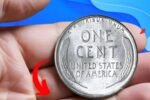
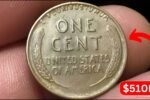
The reverse design — two wheat stalks encircling the words “ONE CENT” — symbolizes prosperity and unity. In 1959, it was replaced by the Lincoln Memorial design.
Metal Composition:
- 1909–1942: 95% copper, 5% tin and zinc
- 1943: Zinc-coated steel (due to WWII metal shortages)
- 1944–1958: Returned to 95% copper
The Market Trend: 2015–2025
In the past 10 years, the Wheat Penny market has shown steady growth, particularly for high-grade coins, rare mintmarks, and key dates.
Here’s how the general value trend looks from 2015 to 2025:
| Category | Average Value (2015) | Average Value (2025) | Growth Trend |
|---|---|---|---|
| Common Wheat Pennies (1940s–1950s, Circulated) | 2–3¢ | 5–10¢ | +100–200% |
| Uncirculated Common Dates | 10–25¢ | 25¢–$1 | +150–300% |
| Key Dates (1909-S VDB, 1914-D, 1931-S) | $300–$1,200 | $600–$3,000+ | +100–150% |
| Error Varieties (1955 Double Die, 1922 No D) | $700–$5,000 | $1,000–$15,000+ | +200%+ |
| Steel Pennies (1943) | 10–50¢ | 25¢–$1.50 | +150% |
While the average Wheat Penny remains affordable, rare and mint-state examples have skyrocketed in collector value. Online auctions and grading certifications have made top-grade coins more sought after than ever.
5 Dream Wheat Pennies Every Collector Wants
1. 1909-S VDB
-
Only 484,000 minted.
-
Iconic “VDB” designer initials on the reverse.
-
2025 Value: $700–$3,000+ depending on condition.
2. 1914-D
-
One of the hardest regular-issue dates to find.
-
Value: $250–$3,500+ in high grades.
3. 1922 No D (Plain)
-
A Denver mint error missing its mint mark.

-
Value: $1,000–$15,000+ for sharp examples.
4. 1931-S
-
Low mintage of only 866,000 coins.
-
Value: $80–$200+ (circulated) or $1,000+ (uncirculated).
5. 1955 Double Die Obverse
-
Famous doubling on the date and lettering.
-
Value: $1,000–$15,000+ depending on clarity and color.
The Role of Metal and Condition
Even common Wheat Pennies have gained modest value due to the rising price of copper. Each coin (pre-1982 copper cent) contains about 2.9 grams of copper, giving it a melt value close to 2 cents in 2025.
But the true collector value depends on:
-
Condition (Grade): Red (RD) coins command the highest prices.
-
Rarity: Low mintage and key dates matter most.
-
Errors: Double dies and off-center strikes are highly collectible.
-
Eye Appeal: Original luster and minimal wear increase demand.
How to Identify Valuable Wheat Pennies
-
Check the date and mint mark: Look for “S” (San Francisco) or “D” (Denver) — these often carry premium value.
-
Inspect with a magnifier: Doubling or minting flaws can turn a penny into a rare variety.
-
Avoid cleaning: Even a small scratch can reduce value drastically.
-
Store properly: Keep coins in dry, acid-free holders to preserve luster.
Modern Collecting Outlook
Wheat Pennies remain a perfect entry point for beginners — affordable yet full of surprises. As high-grade examples become scarcer each year, experts predict continued value growth through the 2030s.
Collectors who started small in the 2010s now find their albums worth twice or even three times more, especially if they invested in certified, uncleaned coins.
Final Thoughts
The Wheat Penny embodies America’s history, artistry, and the timeless appeal of discovery. Whether you’re holding a common 1945 coin or dreaming of finding a 1909-S VDB, each piece tells a story from a century ago.
Over the past 10 years, values have shown one truth: small coins can hold big dreams. For anyone passionate about collecting, the Wheat Penny remains a little piece of copper history — and possibly, a lucky ticket to a hidden fortune.
FAQ Wheat Penny Values
Q1: What is a Wheat Penny?
A: The Wheat Penny (1909–1958) features Abraham Lincoln on the front and two wheat stalks on the back. It’s one of the most collected U.S. coins ever made.
Q2: Have Wheat Penny values increased in the past 10 years?
A: Yes. From 2015 to 2025, prices for key dates and high-grade coins have doubled or tripled, while common ones have seen modest growth.

Q3: What are the most valuable Wheat Pennies?
- 1909-S VDB: $700–$3,000+
- 1914-D: $250–$3,500+
- 1922 No D: $1,000–$15,000+
- 1931-S: $80–$1,000+
- 1955 Double Die: $1,000–$15,000+
Q4: Are all Wheat Pennies valuable?
A: No — most are worth 3–10 cents, but rare dates, mint errors, or uncirculated coins can be worth hundreds or more.
Q5: What affects a Wheat Penny’s value?
A: Date, mint mark, condition, color (Red, Red-Brown, Brown), and errors.
Q6: Should I clean old Wheat Pennies?
A: Never. Cleaning can scratch the surface and lower collector value.
Q7: Will Wheat Pennies keep rising in value?
A: Experts believe values will continue to climb for high-grade and rare coins, as fewer uncirculated examples remain.
