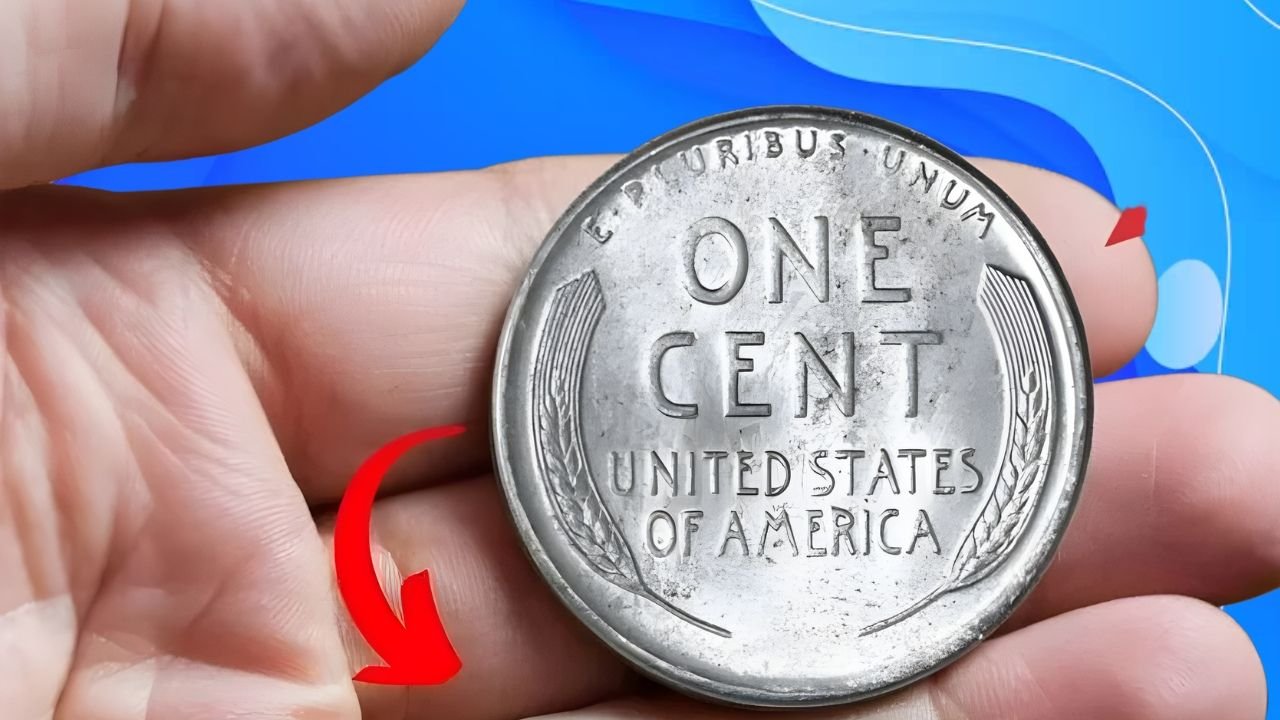
The Lincoln Wheat Penny, first minted in 1909, is one of the most beloved coins among U.S. collectors. Its classic design — featuring President Abraham Lincoln on the front and two wheat stalks on the reverse — has made it a nostalgic treasure for more than a century. Though most are worth just a cent, certain key dates and errors have made some wheat pennies worth hundreds or even thousands of dollars.
Origins of the Wheat Penny
The Wheat Penny (or “Wheat Cent”) was created to celebrate the 100th anniversary of Lincoln’s birth. Designed by Victor David Brenner, it replaced the Indian Head Cent and became the first U.S. coin to feature a real historical figure.
The coin was struck from 1909 to 1958, after which the reverse design changed to the Lincoln Memorial in 1959.
$2,000 Direct Deposit For U.S. Citizens in November 2025 – Eligibility & Payment Details
Composition:
- 1909–1942: 95% copper, 5% tin and zinc
- 1943: Zinc-coated steel (due to World War II metal shortages)
- 1944–1958: Return to the 95% copper composition
Key Dates and Values
While millions of Wheat Pennies were produced, only a few stand out as truly rare or valuable. Here are the most notable ones collectors seek:
1909-S VDB
- Minted in San Francisco with the designer’s initials (“VDB”) on the reverse.
- Only about 484,000 were struck.
- Value: $700–$2,500+ depending on condition.
1914-D
- Struck in Denver and known for its scarcity in high grades.
- Value: $150–$3,000+ depending on wear and color.
1922 No D (Denver Mint Error)
- Some coins were struck with a missing “D” mintmark, making them a rare error.
- Value: $500–$3,500+.
1931-S
- Only 866,000 minted, one of the lowest mintages of the series.
- Value: $80–$200+ in circulated grades.
1943 Copper Penny
- Most 1943 cents were steel, but a few were mistakenly struck in copper.
- Extremely rare; only a few dozen are known to exist.
- Value: $100,000–$300,000+ depending on condition.
1955 Double Die Obverse
- One of the most famous error coins in U.S. history, showing strong doubling on the date and lettering.
- Value: $1,000–$15,000+ depending on grade.
Common Wheat Pennies and Average Values
Most Wheat Pennies from the 1940s and 1950s remain common in circulation and are worth 3–10 cents each in average condition.
Uncirculated examples or full red coins can bring 25 cents to several dollars.
What Determines Value
Several key factors influence a Wheat Penny’s worth:
-
Date and Mint Mark – Rarer years and mints (like San Francisco and Denver) are more desirable.

-
Condition (Grade) – Coins are rated from Poor (P-1) to Mint State (MS-70). Higher grades dramatically increase value.
-
Color – Collectors value “Red” (RD) copper coins highest, followed by “Red-Brown” (RB) and “Brown” (BN).
-
Errors and Varieties – Double dies, off-center strikes, and missing letters add premium value.
How to Identify and Preserve Wheat Pennies
-
Use magnification to check for mint marks and doubling.
-
Avoid cleaning — polishing can destroy natural patina and reduce value.
-
Store properly — keep coins in acid-free holders or coin flips in a dry environment.
-
Get appraised — rare finds should be professionally graded by services such as PCGS or NGC.
Collecting Wheat Pennies Today
Even though the last Wheat Penny was minted over 65 years ago, millions still circulate in jars, drawers, and old collections. For new hobbyists, collecting Wheat Pennies offers a fascinating way to learn about U.S. history, minting, and coin grading.
Building a full set — from 1909 to 1958 — remains one of the most popular projects among beginner and veteran coin collectors alike.
Final Thoughts
The Lincoln Wheat Penny isn’t just a small piece of copper — it’s a piece of American heritage. While most are only worth a few cents, some rare examples can change hands for hundreds of thousands of dollars. So the next time you come across a worn old penny with wheat stalks on the back, take a closer look — it might just be a hidden treasure from America’s past.
FAQ Wheat Penny Values
Q1: What is a Wheat Penny?
A: The Wheat Penny, or “Wheat Cent,” was minted from 1909 to 1958 and features Abraham Lincoln on the front and two wheat stalks on the back.
Q2: Are Wheat Pennies rare?
A: Most are common and worth 3–10 cents, but some key dates and errors are very valuable.
Q3: Which Wheat Pennies are worth the most?
- 1909-S VDB: $700–$2,500+
- 1914-D: $150–$3,000+
- 1922 No D: $500–$3,500+
- 1943 Copper Penny: $100,000–$300,000+
- 1955 Double Die: $1,000–$15,000+
Q4: What affects a Wheat Penny’s value?
A: Date, mint mark, condition, color (red coins are worth more), and minting errors.
Q5: How can I tell if I have a valuable Wheat Penny?
A: Check the year and mint mark, inspect for errors or doubling, and have it graded by a professional if it looks rare.

Q6: Should I clean my Wheat Pennies?
A: No. Cleaning can damage the coin’s surface and reduce its value.
Q7: Are Wheat Pennies still found in circulation?
A: Yes — though rare, they still appear in pocket change, coin rolls, and old collections.
